Blog

Woman holding large jeans in fitness studio.
In January 2013, Lena Redding walked into my life. It was a slow and courageous walk. In the year that followed, her steps became lighter, quicker and more determined. I have had the great joy and privilege to be a part of that journey. Allow me to digress in order that I may explain.
Lena was later featured in the Personal Best section of the Tampa Bay Times, where writer Irene Maher highlighted Lena’s newfound love of Zumba and her mission to inspire others to become fit and healthy—regardless of size. At the time she began her journey, Lena weighed 324 pounds on a 5’2” frame. What the article didn’t fully capture was how hypnosis became a turning point in her weight-loss journey.

Choosing a Different Path

Lena had tried many diets and weight-loss programs throughout her life. Like many people who struggle with obesity, she knew all the tips and tricks—but knowledge alone wasn’t enough. Appetite suppressants didn’t work for her, and she knew she needed something different.

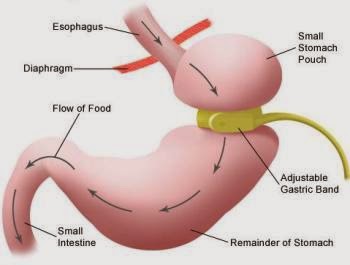
After a serious but compassionate conversation with her chiropractor, Dr. Scott Coletti, Lena made a decision to change her health for good. She chose to participate in the Virtual Gastric Band™ hypnosis program, a non-surgical weight-loss approach that works by training the brain to perceive a smaller stomach capacity.

The Virtual Gastric Band procedure is natural, safe, and non-invasive. Through hypnosis, clients experience a sensation similar to the surgical Lap Band—feeling satisfied with less food and developing healthier eating behaviors.
The Power of Hypnosis in Weight Loss

From day one, Lena was an exemplary client. One program agreement is to purchase a piece of clothing in the desired size and place it where it will be seen daily. Lena took this seriously. She bought a new dress, named it, photographed it, and even used it as her phone wallpaper. When temptation crept in, she had very real “conversations” with that dress.

But the biggest changes went far beyond the scale.

Lena became someone who liked to move. She preferred walking and talking instead of sitting. Shopping became easier. Social events felt less stressful. Most importantly, she felt calmer and more resilient.

“Things aren’t as serious as they used to be,” Lena shared. “Even when things are bad, my attitude is now: can we solve it? If not, it is what it is.”

Why the Virtual Gastric Band Worked for Lena

When I asked Lena what she liked most about the hypnosis sessions, her answer was powerful:

“I thought the sessions would only focus on food and exercise. Boy, was I wrong. You asked questions that helped me get to the real issues. I wasn’t being told what to do—I was figuring it out for myself.”

Stress eating had been one of Lena’s biggest challenges. By addressing stress at its root, she was able to make lasting changes. Hypnosis worked because she was an active participant in her own transformation.

When self-doubt crept in, Lena listened to her hypnosis audios from our sessions. Those recordings helped her stay focused and grounded during difficult moments.

A Life Changed—For Good

Lena now leads Zumba classes filled with energy and joy. When Dr. Coletti later called to congratulate her, she described the conversation as “a whole lotta love.”

When asked what advice she would give others who have tried everything to lose weight, Lena said:

“Overweight people have tried so many things—so why not try stepping outside the box?”

Feeling the band, addressing emotional eating, and learning to respond to stress differently changed her life.

 
UPDATE: The fine folks at Zumba found this article and suggested that I could add a link to their coupons. To quote them, “who doesn’t love to save?” Here is the link…. Coupon Codes Zumba
Woman applying hand sanitizer with a spray bottle.
 

Overcoming fear and anxiety is something many of us struggle with, often without realizing how much it quietly shapes our thoughts, decisions, and sense of inner peace.

St. Patrick’s Day is here and celebrations are in full swing — from turning rivers green (famously in Chicago and even locally the Hillsborough River) to parades and parties. According to tradition, St. Patrick drove the snakes out of Ireland. However, historians agree Ireland never had snakes. In biblical symbolism, snakes represented evil, and Pagans were often viewed the same by early Christians. The story is now widely understood as a metaphor — not for reptiles, but for beliefs, fears, and influences that were driven away or transformed.

I like to use this metaphor in a very different way.

I’m not in any rush to drive Pagans — or any other group of people — out of my life. But anything that stands in the way of inner peace? That can leave.

Fear as an Inner Snake

Ironically, I once had a horrid fear of snakes myself. Through self-hypnosis and gradual exposure, I was able to release that fear entirely. That experience taught me something important: fear is learned — and what is learned can be unlearned.

So what are the “snakes” that most of us are actually dealing with?

Fear tops the list.

Fear can rob us of inner peace almost instantly, the moment it becomes a thought. Anxiety, fear-based thinking, and avoidance often work together in subtle but powerful ways.


How Anxiety and Avoidance Work Together

We all have a continuous inner voice. When we are anxious or fearful, that voice can become loud, repetitive, and relentless. This self-talk directly affects our emotions and behaviors. When we start telling ourselves things that don’t line up with reality, anxiety grows.

Often, our first instinct when fear appears is avoidance. When danger is real, avoidance can be appropriate. But when fear is irrational, avoidance only strengthens anxiety.

Avoidance “works” in the short term — we feel immediate relief. Unfortunately, that relief trains the brain to believe avoidance is the solution. Over time, fear begins to control larger and larger portions of our lives. Avoidance never makes fear go away; it teaches fear where our boundaries are.

This is why overcoming fear and anxiety requires awareness, not escape.


Reframing Fear to Restore Inner Peace

Many people naturally focus on the negative side of any challenging situation. When we focus on what could go wrong, we resist taking action and become stuck. The more we focus on loss, the more anxiety we create.

A powerful way to begin reframing fear is to bring it into the open.

Start by writing down your fears. In each situation that leaves you hesitant or anxious, ask yourself:

  • What am I afraid will happen?

  • How likely is that outcome, really?

  • If I take this fear to its extreme, what are the actual odds?

Then, on a separate sheet of paper, list the benefits of moving forward. Be specific. Fear amplifies negatives and minimizes positives, so you may need to consciously emphasize what could go right.

When you compare these two lists, fear loses its grip — and balance returns.


A Real-Life Example of Overcoming Fear and Anxiety

Recently, I worked with a woman experiencing frequent anxiety attacks. The onset of her anxiety coincided with starting a job search. As we talked, her fears surfaced clearly.

When we explored those fears fully, she realized she was unlikely to end up homeless or alone on the streets of Tampa Bay — the scenario her anxiety had quietly been suggesting.

As we reframed the situation and explored what could go right, her anxiety began to dissipate. She chose to move forward with her job search instead of letting fear dictate her choices.

Her snakes were driven away.


Channeling Your Inner St. Patrick

Take a moment today to channel your inner St. Patrick. Ask yourself:

  • What fears have been lingering too long?

  • Where has avoidance quietly been making decisions for you?

  • What inner snakes are ready to leave?

Breathe in calm. Picture the rolling green hills of Ireland. Imagine fear loosening its grip as clarity returns. Then ask yourself what beauty might be waiting for you on the other side of courage.

Overcoming fear and anxiety isn’t about forcing positivity — it’s about seeing clearly.

And sometimes, that’s all it takes to restore inner peace.

overcoming fear
 
A smooth gradient background blending purple and gray hues.

The power of words cannot be overstated. As Rudyard Kipling famously said, “Words are, of course, the most powerful drug used by mankind.”

This week, sponsored by the National Association of Independent Writers and Editors, celebrates words and their importance — and it’s a perfect reminder of just how deeply language influences our lives.

We grew up hearing the children’s rhyme, “Sticks and stones may break my bones, but words can never hurt me.” At some point, we all realized that wasn’t true. Words can hurt. In fact, words can change relationships, alter our demeanor, reshape belief systems, and even influence the success of our businesses and personal goals.

Words affect what we believe, how we interact with others, and the decisions we ultimately make. They can influence us, inspire us, motivate us — or just as easily bring us to tears.


How Words Shape Beliefs and Self-Talk

As we grow up, the words we hear from parents, teachers, coaches, and authority figures help shape our beliefs about ourselves. Over time, these words become an inner dialogue — the self-talk that runs quietly (or loudly) in the background of our lives.

That inner dialogue can be supportive:

  • “I am smart enough to figure this out.”

Or it can be deeply discouraging:

  • “I always mess things up.”

Negative self-talk can be incredibly sabotaging, especially when we are working toward a goal. The subconscious mind does not question our words — it accepts them as instructions.

For example, if you repeatedly tell yourself, “I gain weight just by looking at a donut,” your subconscious mind becomes a willing participant. It begins behaving as though that statement is true, reinforcing habits and stress responses that support it.


Changing Words to Change Outcomes

When we become aware of the words we use, we gain the ability to change them — and in doing so, change our outcomes.

Instead of:

  • “I can’t do this.”

Try:

  • “I have the strength to keep going until I reach my goal.”

Think about The Little Engine That Could. The story opens with, “She was a happy little train.” As she climbs the steep hill, she repeats the familiar refrain: “I think I can, I think I can.” And indeed — she does.

That story resonates because it reflects how the power of words shapes belief, effort, and success.


Are Your Words Setting You Up for Success?

Take a moment to notice the words you use — especially when you’re tired, stressed, or discouraged.

Are you replaying old mental tapes filled with reasons you might fail?
Are your words quietly setting you up for disappointment?
Or are they supporting resilience, confidence, and forward motion?

What if you truly began to believe you can?
How might your attitude shift?
What would change in your behavior?
How would your words sound if they were aligned with growth rather than fear?

The power of words isn’t just poetic — it’s practical. When you change your language, you begin changing your experience of life.

Spiral text promoting hypnosis benefits.


Just a little fun with the ways that hypnosis can help you. My clients create change as they set goals and earnestly desire to obtain those goals. 

If you knew you couldn’t fail, what might you do? What changes would you create in your life? Why not start today?

Valentine's Day hearts emerging from box.

Self-love on Valentine’s Day is often overlooked. We focus on romantic partners, past relationships, or what love has looked like for us — but the most important relationship we have is the one we maintain with ourselves.

For many, Valentine’s Day is a joyful celebration of romance and commitment. For others, it can feel like a painful reminder of lost love or love never experienced. No matter where you fall on that spectrum, self-love matters not just today, but every day.

I teach a class called The Real Love Potion Number Nine, a love-attraction program that is nearly ready for print as a guide to finding true love. (It’s also the very process that helped me attract my amazing husband.) One of the first and most important lessons we cover is self-love, followed closely by unconditional love.


Why Self-Love Is So Difficult

For many clients, self-love feels uncomfortable or even impossible. We were taught that modesty means deflecting compliments rather than accepting them. How often have you praised a child, only to hear a parent respond with, “You don’t really know them”?

In moments like that, a chance to teach self-love disappears. We need to relearn something very simple — how to say thank you.


Unconditional Self-Love Means Loving All of You

Many people equate their worth with their perceived “bad habits” or flaws. True, unconditional self-love means loving all of yourself — not just the polished parts.

Before lasting change in behavior can occur, a new understanding must be created:
You deserve love exactly as you are.

That starts with practicing loving moments with yourself.

Pay attention to how you speak to yourself compared to how you speak to friends. Most internal self-talk is far harsher than anything we would say out loud to someone we love. Yet we expect ourselves to thrive under that criticism.

You have the power to hurt yourself or heal yourself with your words. Which do you choose?


Stress Is Not Loving — Relief Is

Unchecked stress is deeply unloving. Allowing stress to dominate your life sends the message that your well-being doesn’t matter — and that simply isn’t true.

Doing something, anything, to reduce stress says:
“I love myself.”

Pause. Take a few deep breaths. Look at the sunshine. Watch the rain fall. Visualize a place that brings you peace. Choose a regular practice that reduces stress and supports self-love.

Less stress creates more space for happiness — and self-love grows naturally in that space.


Give Yourself Permission to Love Yourself

Self-love is a practice. Like any learned behavior, it becomes natural through repetition.

Write it down. Affirm it daily. Ask yourself why you are lovable.
Give yourself permission — today and every day — to be happy.


Self-Love Declarations

  1. I lovingly accept myself as I am right now.
  2. I give thanks for all of my blessings.
  3. I accept compliments and give them freely.
  4. I trust myself and take responsibility for my life.
  5. I release self-criticism and judgment.
  6. I forgive myself and others when mistakes occur.
  7. I am kind to others without sacrificing my own needs.

I give myself permission to be happy.

Woman with curly blonde hair in a pink top, looking to the side.

Keeping up with the Joneses used to mean bigger houses, newer cars, and more lavish parties. That version of comparison culture has quietly faded. After books like The Millionaire Next Door and the very real sight of foreclosures lining our neighborhoods, many people shifted away from status symbols and toward simpler, more meaningful experiences. Potluck dinners replaced extravagant gatherings, and connection began to matter more than appearances.

Yet comparison did not disappear — it simply moved online.

Comparison moved online

Today, keeping up with the Joneses on social media has become its own full-time emotional drain. Platforms like Facebook, Instagram, and X invite us to measure our lives against carefully curated highlights of others. Scroll long enough and it can feel as though everyone else is attending more events, eating trendier foods, achieving greater success, and living a more inspired life than you are.

Even business owners feel the pressure. One person posts about how busy they are, and suddenly three competitors feel compelled to announce how much busier they are. Concerts, theater, travel, and “once-in-a-lifetime experiences” are presented as weekly occurrences rather than special moments. Meanwhile, even donut shops feel obligated to post motivational quotes instead of reminding us how delicious their baked goods truly are. We have created a new kind of Joneses — measured not in homes or cars, but in likes, shares, comments, followers, and perceived relevance.

This social media comparison trap quietly conditions us to believe that our worth depends on visibility and validation. The more connections, responses, and reactions we receive, the more successful and fulfilled we are supposed to feel. And when those numbers fall short, self-doubt creeps in.

Perhaps it is time to step back.

What would happen if you put down the phone, tablet, or device — even for a few minutes a day — and reconnected with the world around you? Walking outside without headphones, listening to birds or the rhythm of your own footsteps, can be surprisingly grounding. Presence has a way of calming the nervous system in ways social media never will.

What if you stopped comparing your life to your 5,000 “friends” and allowed yourself to simply be you? No performance. No metrics. No competition.

I wonder who we might become then.

Woman holding a baby, both smiling happily.

Many Christians ask a sincere and important question: Is hypnosis biblical? Some worry that hypnosis conflicts with Scripture or opens a spiritual door that should remain closed. Others hear warnings that hypnosis removes free will or invites outside influence. These concerns deserve honest answers, not fear-based reactions.

When we examine hypnosis through a biblical lens, we discover something surprising. Hypnosis does not contradict Christian faith. In fact, Scripture repeatedly describes natural states of focused attention, deep rest, and heightened awareness—states that closely resemble what modern science calls hypnosis.

Why Some Christians Fear Hypnosis

Much of the fear surrounding hypnosis comes from misunderstanding. Movies and stage performances portray hypnosis as mind control, where one person dominates another. The Bible clearly warns against manipulation, sorcery, and practices that remove personal agency. Because of this, many believers assume hypnosis must fall into that category.

However, therapeutic hypnosis does not involve surrendering control. A person in hypnosis remains aware, conscious, and able to choose. Hypnosis simply helps the mind become more focused and receptive—similar to prayer, meditation on Scripture, or deep reflection.

Is Hypnosis the Work of the Devil?

The Bible teaches that God created the human mind with incredible capacity. Focus, imagination, memory, and emotion all serve purposes that God designed. Hypnosis uses these God-given abilities; it does not bypass them.

Scripture condemns practices that seek power apart from God. Hypnosis does not summon spirits, predict the future, or override moral choice. Instead, it works with the conscious and subconscious mind to support healing, habit change, and emotional peace.

If hypnosis were inherently evil, then prayerful contemplation, fasting-induced clarity, or deep worship experiences would also be suspect. Scripture does not support that conclusion.

Biblical Examples of Trance and Altered States

The Bible openly describes altered states of awareness without condemnation.

  • Genesis 2:21 says God placed Adam into a deep sleep before creating Eve.

  • 1 Samuel 26:12 describes a divinely sent deep sleep falling upon Saul’s camp.

  • Acts 10:10 records Peter entering a trance while fully awake and receiving spiritual insight.

  • Psalm 4:4 encourages meditation upon one’s bed in stillness.

These passages show that focused inner states can serve God’s purpose. Hypnosis mirrors these natural conditions by calming the nervous system and allowing deeper reflection.

Hypnosis, Free Will, and Christian Values

One of the strongest objections to hypnosis involves free will. Christianity teaches personal responsibility and moral choice. Hypnosis respects both.

A trained, ethical hypnotherapist cannot force someone to act against their values. Hypnosis does not override conscience or belief. Instead, it strengthens alignment between intention and action—helping people release habits, reduce anxiety, or heal emotional wounds.

From a Christian perspective, hypnosis can support stewardship of the body and mind rather than replace faith.

Can Christians Use Hypnosis for Healing?

Many Christians already engage in practices similar to hypnosis without labeling them as such. Prayer, guided imagery using Scripture, worship music, and contemplative silence all create focused mental states that promote peace and clarity.

When hypnosis incorporates faith, Scripture, or Christian values, it becomes a tool—not a threat. It works alongside prayer, counseling, and medical care rather than competing with them.

A Faith-Based Perspective on Hypnosis

The Bible repeatedly reminds believers to examine fruit rather than fear labels. When hypnosis produces peace, clarity, healing, and freedom from harmful patterns, it aligns with biblical principles.

Rather than asking whether hypnosis sounds unfamiliar, a better question is this: Does it honor God, preserve free will, and promote healing? When practiced ethically and intentionally, hypnosis meets those standards.

Faith and hypnosis do not oppose each other. They can walk together—calmly, wisely, and with discernment.

Green "Register Now" stamp with stars.

If you are like most people you probably gained 5 to 10 pounds over the holidays…

Did you know that thin people know there are some easy weight loss secrets, that when applied can help you melt away those unwanted pounds? Have you ever wondered why some people seem to eat as much as they want and never seem to gain any weight? But other people starve themselves and can’t lose a half-pound of fat?

Are you stuck at an undesirable weight?

I Totally Understand

It’s not your fault, you’ve probably heard a million opinions and got some advice from friends or family (usually worth about what you pay for it) and your more confused than ever…

That’s OK, because we have assembled an entire team of weight loss experts to assist you, so help is on the way.

The Best System For Rapid and Permanent Weight Loss In The World

Get registered for this event before it is sold out…
I say sold out but the actual live trainings is FREE, but we will probably max out the lines each night…

For the details of how to get access to the live trainings, as well as how to purchase the recordings just click the link below and you will see all the details…


Christmas tree with colorful lights and gifts.
Wishing all a day of true peace, joy and love. May those begin within and extend to all you encounter.
Green bamboo leaf on wet black stones with water droplets.

Artifice | Chicago Tonight | WTTW

Most teenagers find computers useful only for homework and checking Facebook. But a new nonprofit, started by a few people associated with the University of Chicago, aims to teach teens in the Woodlawn neighborhood everything about technology, from building a website to building a computer itself.
Throw in a few lessons about business and the group hopes that some of those students will eventually run their own small, tech businesses. 
continue reading and watch the video:

Nothing to do with hypnosis, everything to do with gratitude. These young people are paying it forward with their new non-profit and I am grateful they are a part of my life. James Crooks is my son and Ashley Morgan Lane is his delightful girlfriend. Together they have created something very special for the inner city kids in Chicago!

1 13 14 15 16 17 44