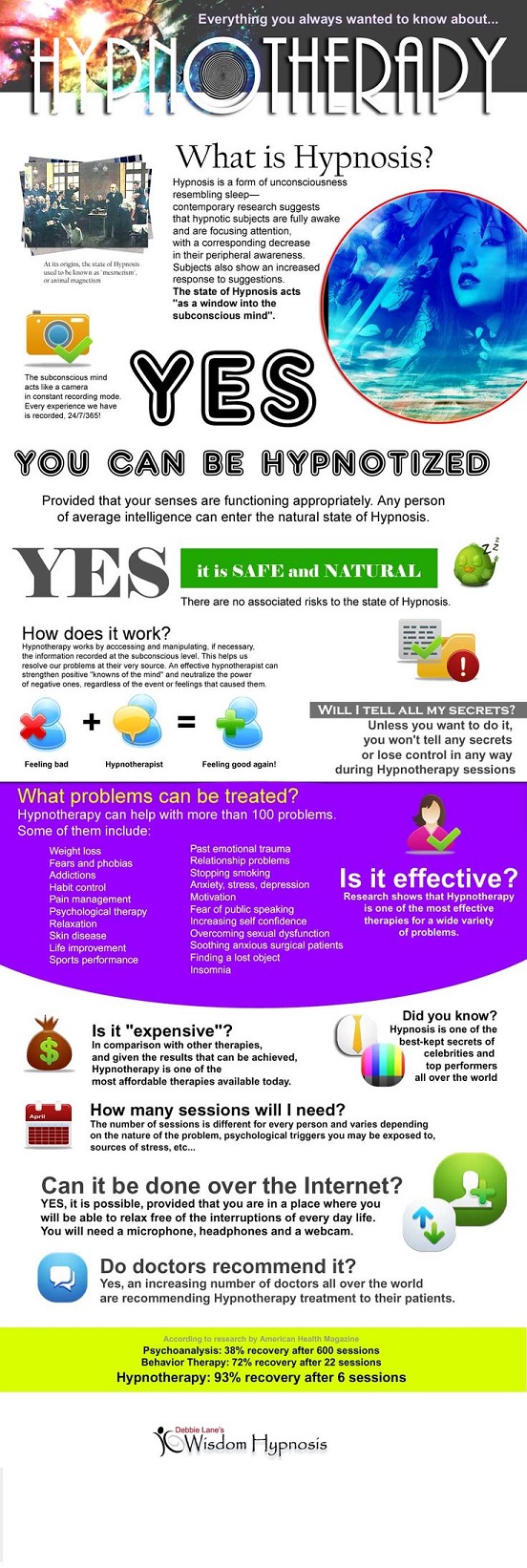

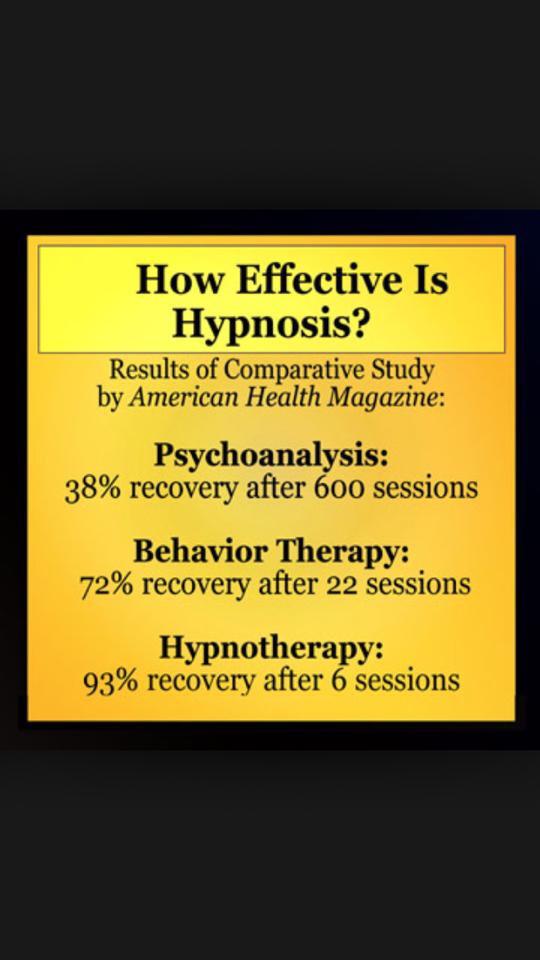
People often ask me if hypnosis works. They want to know how effective hypnosis is.
Hypnosis is a natural state, one that we experience daily. So, while people are often wary of hypnosis, thinking that it is an altered stateand one is out of control, quite the opposite is true. You are in control, in fact it it is an intense state of focus. Driving a familiar route to work is a common example of operating on autopilot, without thinking about it.
Althoughheart rate and respiration may slow down, this is due to the relaxation involved in the “induction”process,often used progressive relaxation. Those symptoms are not the hypnotic state itself. Research into the hypnotic state has shown that there are different brainwave levels that are involved.
According to science.howstuffworks.com, “The most notable data comes from electroencephalographs (EEGs), measurements of the electrical activity of the brain. Extensive EEG research has demonstrated that brains produce different brain waves, rhythms of electrical voltage, depending on their mental state. Deep sleep has a different rhythm than dreaming, for example, and full alertness has a different rhythm than relaxation.”
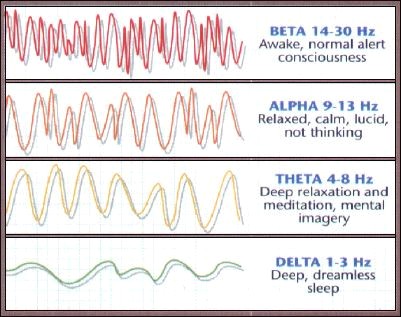
Understanding how natural hypnosis is

So many people live their entire lives in yesterday or tomorrow. The truth is, however, that there is only the Now. Focusing on this moment, right now, provides a wonderful escape from the disappointment of what once was and the fear of what might be, leaving stress stuck in a time warp. (You do remember the Time Warp, right?)
You can overcome one obstacle only to face another. Celebrate your victories — and then keep going.
Clark Kent isn’t recognized as Superman. Peter Parker isn’t seen as Spider-Man. Being unseen doesn’t negate who you are.
The X-Men were misunderstood despite doing good. Many groups experience prejudice based on race, gender, sexuality, culture, or belief. Being different doesn’t make you wrong.
Peter Parker chose service over personal gain. Our gifts matter most when used for good.
Batman teaches us that you don’t need superpowers to be a hero. As Bruce Wayne reminds us, “It’s not who I am underneath, but what I do that defines me.” Even fractured people can change the world.
Professor Charles Xavier is paraplegic — and possesses one of the most powerful minds on the planet. Limitations do not define potential.
Superman’s weakness became a weapon against him. When we obsess over our vulnerabilities, we give them power. Strength grows where attention goes.
Scarlet Witch’s journey reminds us that growth isn’t linear. Our past doesn’t disqualify us from becoming a force for good.
I loved them as a child — and honestly, I still wouldn’t mind one flying behind me.

Lena had tried many diets and weight-loss programs throughout her life. Like many people who struggle with obesity, she knew all the tips and tricks—but knowledge alone wasn’t enough. Appetite suppressants didn’t work for her, and she knew she needed something different.
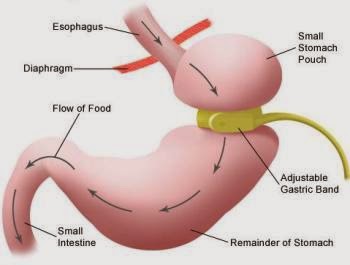
After a serious but compassionate conversation with her chiropractor, Dr. Scott Coletti, Lena made a decision to change her health for good. She chose to participate in the Virtual Gastric Band™ hypnosis program, a non-surgical weight-loss approach that works by training the brain to perceive a smaller stomach capacity.
The Virtual Gastric Band procedure is natural, safe, and non-invasive. Through hypnosis, clients experience a sensation similar to the surgical Lap Band—feeling satisfied with less food and developing healthier eating behaviors.
From day one, Lena was an exemplary client. One program agreement is to purchase a piece of clothing in the desired size and place it where it will be seen daily. Lena took this seriously. She bought a new dress, named it, photographed it, and even used it as her phone wallpaper. When temptation crept in, she had very real “conversations” with that dress.
But the biggest changes went far beyond the scale.
Lena became someone who liked to move. She preferred walking and talking instead of sitting. Shopping became easier. Social events felt less stressful. Most importantly, she felt calmer and more resilient.
“Things aren’t as serious as they used to be,” Lena shared. “Even when things are bad, my attitude is now: can we solve it? If not, it is what it is.”
When I asked Lena what she liked most about the hypnosis sessions, her answer was powerful:
“I thought the sessions would only focus on food and exercise. Boy, was I wrong. You asked questions that helped me get to the real issues. I wasn’t being told what to do—I was figuring it out for myself.”
Stress eating had been one of Lena’s biggest challenges. By addressing stress at its root, she was able to make lasting changes. Hypnosis worked because she was an active participant in her own transformation.
When self-doubt crept in, Lena listened to her hypnosis audios from our sessions. Those recordings helped her stay focused and grounded during difficult moments.
Lena now leads Zumba classes filled with energy and joy. When Dr. Coletti later called to congratulate her, she described the conversation as “a whole lotta love.”
When asked what advice she would give others who have tried everything to lose weight, Lena said:
“Overweight people have tried so many things—so why not try stepping outside the box?”
Feeling the band, addressing emotional eating, and learning to respond to stress differently changed her life.

Just a little fun with the ways that hypnosis can help you. My clients create change as they set goals and earnestly desire to obtain those goals.
If you knew you couldn’t fail, what might you do? What changes would you create in your life? Why not start today?
Many Christians ask a sincere and important question: Is hypnosis biblical? Some worry that hypnosis conflicts with Scripture or opens a spiritual door that should remain closed. Others hear warnings that hypnosis removes free will or invites outside influence. These concerns deserve honest answers, not fear-based reactions.
When we examine hypnosis through a biblical lens, we discover something surprising. Hypnosis does not contradict Christian faith. In fact, Scripture repeatedly describes natural states of focused attention, deep rest, and heightened awareness—states that closely resemble what modern science calls hypnosis.
Much of the fear surrounding hypnosis comes from misunderstanding. Movies and stage performances portray hypnosis as mind control, where one person dominates another. The Bible clearly warns against manipulation, sorcery, and practices that remove personal agency. Because of this, many believers assume hypnosis must fall into that category.
However, therapeutic hypnosis does not involve surrendering control. A person in hypnosis remains aware, conscious, and able to choose. Hypnosis simply helps the mind become more focused and receptive—similar to prayer, meditation on Scripture, or deep reflection.
The Bible teaches that God created the human mind with incredible capacity. Focus, imagination, memory, and emotion all serve purposes that God designed. Hypnosis uses these God-given abilities; it does not bypass them.
Scripture condemns practices that seek power apart from God. Hypnosis does not summon spirits, predict the future, or override moral choice. Instead, it works with the conscious and subconscious mind to support healing, habit change, and emotional peace.
If hypnosis were inherently evil, then prayerful contemplation, fasting-induced clarity, or deep worship experiences would also be suspect. Scripture does not support that conclusion.
The Bible openly describes altered states of awareness without condemnation.
Genesis 2:21 says God placed Adam into a deep sleep before creating Eve.
1 Samuel 26:12 describes a divinely sent deep sleep falling upon Saul’s camp.
Acts 10:10 records Peter entering a trance while fully awake and receiving spiritual insight.
Psalm 4:4 encourages meditation upon one’s bed in stillness.
These passages show that focused inner states can serve God’s purpose. Hypnosis mirrors these natural conditions by calming the nervous system and allowing deeper reflection.
One of the strongest objections to hypnosis involves free will. Christianity teaches personal responsibility and moral choice. Hypnosis respects both.
A trained, ethical hypnotherapist cannot force someone to act against their values. Hypnosis does not override conscience or belief. Instead, it strengthens alignment between intention and action—helping people release habits, reduce anxiety, or heal emotional wounds.
From a Christian perspective, hypnosis can support stewardship of the body and mind rather than replace faith.
Many Christians already engage in practices similar to hypnosis without labeling them as such. Prayer, guided imagery using Scripture, worship music, and contemplative silence all create focused mental states that promote peace and clarity.
When hypnosis incorporates faith, Scripture, or Christian values, it becomes a tool—not a threat. It works alongside prayer, counseling, and medical care rather than competing with them.
The Bible repeatedly reminds believers to examine fruit rather than fear labels. When hypnosis produces peace, clarity, healing, and freedom from harmful patterns, it aligns with biblical principles.
Rather than asking whether hypnosis sounds unfamiliar, a better question is this: Does it honor God, preserve free will, and promote healing? When practiced ethically and intentionally, hypnosis meets those standards.
Faith and hypnosis do not oppose each other. They can walk together—calmly, wisely, and with discernment.
Did you know that Walt Disney reportedly had a surprising fear?
Keep reading — it might change how you think about your own.
Halloween is one of the few times each year when we intentionally celebrate fear. We build haunted houses, tell ghost stories, and watch zombie movies. For many people, that controlled rush of adrenaline feels thrilling.
In fact, some individuals even chase that sensation repeatedly.
However, what about the people who don’t enjoy fear at all? What about those who feel consumed by it?
That kind of fear is different.
Fear can serve an important purpose. If a hungry tiger stands nearby, fear activates the fight-or-flight response and prepares the body to survive. In that situation, fear protects you.
Yet most modern fears are not life-or-death threats.
Instead, they involve flying, public speaking, medical procedures, driving, or social situations. Although these fears feel intense, they rarely signal true danger.
Over time, unmanaged fear can begin to limit life. When fear becomes persistent and overwhelming, it may develop into a phobia. At that point, willpower alone often isn’t enough.
That’s when professional support — including tools such as hypnosis — can help retrain the mind and calm the nervous system.
While deeper phobias may require professional guidance, many fears respond well to simple awareness practices.
First, acknowledge that fear limits your enjoyment of life. Many people become so accustomed to anxious thoughts that they stop noticing how much control fear has taken.
Next, clarify what you’re actually afraid of. What images appear in your mind? What story plays out in those mental scenes? Often, fear grows stronger when left undefined.
Rather than fighting the fear immediately, observe it. Where do you feel it in your body? What thoughts fuel it? How do you react when it appears?
Curiosity reduces intensity.
Then, slow your breathing. Inhale calm. Exhale tension. As you breathe, imagine the fear shrinking or even turning into a cartoon version of itself. Visualization shifts emotional charge.
You might even print or draw an image that represents your fear. Humor can reduce power. When you treat fear as something smaller than you, your nervous system begins to recalibrate.
Finally, picture yourself free from it. How would you stand? Speak? Move? Think? Practicing that version of yourself builds new neural pathways.
Reports suggest that Walt Disney struggled with musophobia — a fear of mice.
Ironically, he went on to create Mickey Mouse, Minnie Mouse, and an entire entertainment empire built around animated mice.
Whether or not that creative act consciously addressed his fear, the symbolism is powerful. By transforming something frightening into something playful, he shifted its meaning.
He turned fear into imagination.
If your fear has crossed into phobia territory, you already know it isn’t logical. You may understand intellectually that you are safe, yet your body reacts as if danger is imminent.
At that stage, professional help can make a meaningful difference.
Hypnosis, in particular, helps rewire fear responses by working directly with the subconscious patterns that fuel them. Rather than forcing yourself to “be brave,” hypnosis can help you feel naturally calmer and more confident.
Franklin Delano Roosevelt famously said,
“The only thing we have to fear is fear itself.”
Perhaps it’s time to release fear and reclaim your sense of freedom.
You don’t have to remain controlled by it.
Fear can warn you — but it does not have to rule you.