mindfulness

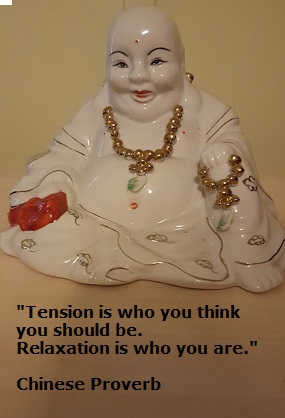
Smiling Buddha statue with Chinese proverb text.


A modern living room with a white sectional sofa and large windows.When we ruminate on the past, we aren’t enjoying the now. When we worry about the future, we don’t appreciate the present. Neither ruminating nor worrying solve a thing. When we learn to appreciate the moment, we are home! Sounds good, but how do we manage to do that? Here are seveneasy tips for including mindfulness in your day.

Walk With No Destination

I walk daily. For me it is a moving meditation.Interestingly enough, driving reduces the angle of your field of vision by up to 75%, depending on speed. Walking allows you to see more of your surroundings, so take it in, but remind yourself as you walk: there is nowhere more important for you to be than right here, right now.

Put The Phone Down

Place your phone in a drawer for an hour or two. Ignore social media, the television, anything that might distract you from quiet enjoyment. You just might be surprised and delighted by the results!

Create A Mindfulness Trigger

Choose a cue that you encounter on a regular basis to shift your brain into mindful mode. For instance, you might pick a certain doorway or mirror or use drinking coffee or tea as a reminder.

Wash Dishes Slowly

Wash dishes by hand and take time to notice the soothing warmth of the water on your hands. Be aware of the bubbles and the scent of the dish soap.Let yourself enjoy the experience of making something dirty clean again. Don’t think about finishing or what you’ll do when you’re finished. Focus solely on the doing.

Eat As If It Was Your Last Meal

Even ifdinnerwas acheap frozen dinner, how would you eat that same meal if you knew it might be your last? Would you slow yourself down and savor it more? What would this do for your appreciation of what you consume. Would you take the time to ponder about and perhaps feel gratitude to everyone involved in creating the meal, from the farmer to the retailer to the chef?

Deep Breathes At Every Stop Light

I often encourage my clients to take a deep breath at each stop light. This can allow you to be less angry when the others in traffic are rude. It also gives you the opportunity to notice the interesting things along your route.

Practice Mindfulness As Soon As You Wake Up

Mindfulness practice first thing in the morning helps set the ‘tone’ of your nervous system for the rest of the day, increasing the likelihood of other mindful moments. Don’t read the paper, turn on the TV, check your phone or email, etc. until after you’ve had yourquiet moments of reflection. During that time, just allow the mind to wander, then bring it back to your breath.




Sticky notes labeled 'Mental Health' on a psychology book cover.

After posting my blog yesterday about the habits of unhappiness, I happened across this Ted Talk today that was given by Matt Killingsworth. Matt is a researcher on the subject of happiness. In this talk he explains how his research led him to understand that a wandering mind can rob us of our happiness and that by staying in the moment, we remain in a state of happy.

Matt has also created an app for smart phones called Track Your Happiness. The intent is to assist you in tracking what makes you individually happy. I am going to download this for fun, so I thought maybe you too would like to.

Text highlighting the price of cigarettes at $5.35.

There seems to be a common theme in my clients recently, regardless of the presenting issue, they all have this incredible ability to predict the future. Now, the prediction isn’t accurate, but still they believe the garbage they think. For instance, one client took a leap that went from eating a cookie to becoming a homeless bag lady. How, you ask? Well, she is looking for another job as she knows that her company is about to be acquired by a bigger corporation. We have been working together on her weight issues. As a stress eater, she gave in to the siren call of a cookie, so now she knows she will never drop the weight and no one will ever hire her as a result of her perception of her appearance. (A skewed perception I might add as she is lovely.) Another client announced in our first visit that his life was doomed to be loveless as he and his wife were stuck in a rut and he had no way of recovering the love they once shared. Still another shared with me her prediction of divorce because her husband still smoked after she quit! So many negative thoughts!

The litany of doomsday projections goes on and on. To be truthful, I have done the same thing. I saw one particular health symptom as the evidence I needed to prove that something much darker was going on in my body. Fortunately, I took action and visited the appropriate health professional to find out that wikapedia is not my best friend! I fell into the same trap as my clients and went as fast as I could down the negative expressway.

Woman with closed eyes, serene expression.


What if I told you that you could reduce your stress, lower your blood pressure, manage pain and improve your sleep without any costly equipment or difficult procedures? Would you be interested? What if I also told you that you could do this regardless of your age, sex or religious views? Are you interested? I hope so, because what I am saying is that you too can learn this skill.
A modern living room with a white sectional sofa and large windows.What I am talking about is practicing mindfulness. The most important thing we can do is to ensure that our lives aren’t wasted in wishing or regretting. When we remain in the moment, we are able to maintain peace. If I spent all my time thinking about the mistakes I have made in the past, I might not enjoy the fun that is available to me now. I live in paradise, a boat ride from an island that our neighbors all gather on during warm weekends and a bike ride from a quaint town that people spend their hard earned dollars to vacation in. It wouldn’t serve me to focus on the times I have put my foot in my mouth, even though there have been a few too many of those.


Just Breathe!

It is easy to get caught up in the business of the day, multi-tasking and crossing things off of the To Do list. Mindfulness isn’t something we naturally do, especially in an era where we are always available.

Heart-shaped love quote with a red heart in the center.

“Your body is precious. It is our vehicle for awakening. Treat it with care.” ~ Buddha


Are You Eating on Autopilot?

Do you eat too fast and rarely feel satisfied with your food? Are you like so many people, so busy and rushed throughout your day that you tend to grab a quick bite? Do you eat at your desk while working? Perhaps you find yourself eating in front of the television or while on your computer?

In a world of fast food drive-throughs, we have become accustomed to eating out of bags and cartons, without thought.


Why Mindful Eating Matters

Mealtime can be a time of communion and appreciation. Appreciation for the bounty of foods available to us, as well as for the hands that prepare it, is only part of being a mindful eater.

By eating consciously, we take time to savor flavors, colors, textures, and smells. In other words, we truly enjoy meals by slowing down. This awareness can even support the release of excess weight.


The Impact of Stress on Digestion

Mindful eating may seem simple — choose your food, prepare it, and enjoy it. However, if you become aware of your thoughts while eating, you might be surprised at how little of your consciousness is actually present.

Research shows that eating while experiencing stress disrupts digestion. In the short term, this leads to poor nutrient absorption. Over time, chronic stress while eating may contribute to irritable bowel syndrome, ulcers, weight gain, and eating disorders.

By becoming mindful eaters, we create a healthier relationship with food and with ourselves. When we pay attention to what we consume, we also become more aware of the messages our body sends us.


A Simple Mindful Eating Exercise

Here is an exercise to help you experience a mindful moment with food:

Take one grape and place it in your mouth. Close your eyes and notice the size, shape, and feeling of the grape. Roll it gently with your tongue and explore its texture.

With your eyes still closed, imagine you can see it clearly in your mouth. Make the color rich and vivid in your mind.

Now bite into it slowly. Notice the juice. Extract every drop you can. Observe the texture inside and how it differs from when it was whole.

Chew slowly. Extend the experience for as long as possible — perhaps even five minutes.

That grape may be the best grape you ever eat.


5 Quick Tips for Becoming a Mindful Eater

1. Never Eat Distracted

Turn off the television, computer, and phones when you eat.

2. Engage Your Senses

Eating is a multisensory experience. Appreciate the appearance, taste, texture, and aroma of your food.

3. Keep Mealtime Peaceful

Declare mealtime a space for pleasant conversation only. Eating with family and friends is a communion of souls. Keep it stress free.

4. Notice Without Judgment

There will be foods you like, dislike, or feel neutral about. Simply notice your reactions without labeling them right or wrong.

5. Listen to Your Body

Your body sends signals when it feels nourished. A helpful affirmation is:
“I eat to nourish my body, not feed my emotions.”


Make Mindful Eating a Way of Life

Practice mindful eating consistently, and it will naturally become part of who you are.

Child kneeling in prayer with gratitude

What qualities would you like to be remembered for? When you think about your personal legacy, consider the impact you hope to leave behind.

Loving. Friendly. Creative. Steadfast. Warm-hearted. Reliable. Humorous.

What is it for you?

Your legacy is not created at the end of life — it is shaped daily through the way you live, think, and treat others. The qualities you practice today quietly become the lessons future generations learn from you.

So begin now.

Practice the Qualities You Want to Leave Behind

Monitor your thoughts and treat yourself with compassion. The relationship you have with yourself becomes the model for how you relate to the world.

Take time each day to feel gratitude for life’s simple pleasures — morning light, shared laughter, a peaceful moment of breathing. Research from the Greater Good Science Center at UC Berkeley shows that practicing gratitude improves emotional well-being, resilience, and overall life satisfaction.

Breathe deeply.
Just two minutes of focused breathing each day teaches your nervous system how to return to calm and clarity.

Move your body daily. Exercise strengthens not only your muscles but also your emotional resilience and mental well-being.

Protect your rest. Turn off the television, silence the endless scrolling, and allow your mind the quiet it needs to restore itself.

Eat mindfully. Notice the flavors, textures, and aromas of your food. Nourishment is both physical and emotional.

Release clutter — in your home and in your mind. Clutter occupies space in your environment and in your thoughts.

Let go of guilt. Guilt often lives in the past and rarely helps us grow. Choose learning instead of self-punishment.

Find reasons to smile and laugh. Joy is contagious and leaves a lasting imprint on those around you.

Follow your spiritual path, whatever form that takes for you. Meaning gives direction to a life well lived.

Your Legacy Begins Today

You can evolve into the person you aspire to be.

What you practice becomes what others witness.
What others witness becomes what they remember.

So ask yourself:

What will your legacy be?