Are you on overwhelm? Do little things set you over the edge and into the abyss? If so, then you are like so many of my current clients. While they may come to see me for over eating or to stop smoking or nail biting (you can fill in the blank) overwhelm seems to be a secondary issue.
We have been inundated with negative current events for quite some time now. Politics headline daily, with both sides angry and insulting one another. The hurricanes this season were fast and furious, leaving trails of destruction in their wake. The shootings and terror attacks seem unfathomable. The fires in California have destroyed homes and taken lives. The light being shone on sexual harassment began with Hollywood, but goes so much deeper. We are all suffering from so much negativity.
The ability to access news from around the world as it happens is both a blessing and a curse, both for obvious reasons. I have shared in the past about how important it is to turn the news off, get off of social media for a few hours and be present. Walking in nature or holding a live conversation can be so much more healing.
I just want to remind everyone (including myself) that it is important to be kind to one’s self. It is human to be imperfect! After all, we learn and grow from mistakes. I have some pretty savvy clients and when I tell them to be kind to themselves, to take care of their needs, they can list for me the things they “do” for themselves. Manicures, pedicures, massages and shopping therapy are a few things they will list for me. All good, but not what I am talking about.
When Hurricane Irma tore through Florida, she left damage, disruption, and uncertainty in her wake.
Some lost homes. Some lost power. Many lost peace of mind.
I am one of the fortunate ones. Because of that, I speak for those who cannot yet speak for themselves.
Life is unpredictable. Natural disasters remind us of that. Yet even in the face of hurricane destruction and community stress, humanity prevails.
I saw neighbors helping neighbors clear debris, regardless of past differences. I witnessed the courage of first responders who left their own families to protect ours. I remembered Houston during Hurricane Harvey, when volunteers poured in to rescue strangers.
In times of crisis, we see both vulnerability and strength.
The Anxiety of Storm Coverage
Television and radio broadcasts warned us about Hurricane Irma’s path. Social media allowed us to check in on loved ones. And yet, constant exposure also heightened anxiety.
News cycles replayed worst-case scenarios. Social feeds amplified fear. Phones rang, pinged, and chimed with worried messages from people watching the storm unfold.
Stress spreads quickly during a hurricane.
But so does resilience.
We Come from Survivors
Our ancestors endured famine, war, storms, and uncertainty. The evidence of their strength is simple: we are here.
Whether we descend from Vikings, Aztecs, Mesopotamians, or any other lineage, survival lives in our DNA.
Hurricanes test structures — but they also reveal character.
Irma tried to create fear in our minds. I refused to let fear define my reality. Instead, I encouraged fellow Floridians to remain steady, grounded, and connected.
We will rebuild. We will support those who suffered greater loss. Because we are humanity.
Without Power — But Not Powerless
Many of us lost electricity during Hurricane Irma. Yet we were not powerless.
With the doors open, the breeze gentle, and the temperature surprisingly kind, I sat on my porch and listened to quiet. Without constant social media updates, I found peace. The night sky, free of artificial light, revealed magnificent stars.
In the stillness, I remembered what matters.
Relationships matter more than possessions. Photographs matter more than furniture. Voices of loved ones matter more than notifications.
Natural disasters have a way of clarifying priorities.
Humor, Playfulness, and Emotional Survival
We laughed because we could.
We made jokes and silly songs. We chose humor over hysteria. Creating worst-case scenarios would not change the storm — it would only increase stress. So we chose lightness when possible.
That choice matters.
Emotional resilience during a hurricane does not deny reality. It steadies the nervous system so we can respond thoughtfully instead of reactively.
“This Too Shall Pass”
Across cultures, stories tell of heroes who lose everything and face peril — only to remember that both fortune and hardship are temporary.
Storms pass. Fear passes. Uncertainty passes.
We knew Hurricane Irma would move on. We simply did not know how.
For our brothers and sisters in the hardest-hit islands and coastal regions, recovery will take time. Yet help, compassion, and community support are already flowing toward them.
I will continue to offer whatever support I can.
What Hurricane Irma Taught Me
Irma reminded me to simplify. To remain connected. To focus on relationships instead of possessions.
Less truly is more.
I am grateful she is gone. My prayers remain with everyone affected by Hurricane Irma and other natural disasters across Florida and beyond.
Now it is time to be the love and the light — to take the lessons and make this world better because we can.
Goodbye, Irma.
This reflection was recorded without professional equipment and with limited time. May what it lacks in studio quality be made up for in comfort and encouragement.
There is a fable about elephants that is often told to help us move beyond limiting beliefs. It goes something like this:
Vihan was a good boy who loved animals. He was particularly fond of elephants. He admired the huge animals for many reasons. However, he never had a chance to see real elephants, he only saw them on the television and computers. He lived in a small village, where there were no elephants and none were brought to his village. He dreamt of one day seeing them in person.
Fortunately, when he was a young man he got a chance to join a crew of wildlife lovers.He asked them about their plans whether they would take him to see the elephants. And they said yes. He was excited! Vihan enjoyed the many places and animals he saw on his journey, but the anticipation of seeing elephants was always
with him. At last the time came where he would see these magnificent creatures.
As the group passed through the forests, they walked past a beautiful village. The team chief told Vihan that the village had more than 100 elephants and he would allow Vihan to enjoy the entire day in that village. The rest of the crew moved on, leaving Vihan to enjoy this opportunity. At last he saw the elephants. He could barely control his excitement.
After spending a brief time just seeing the elephants, he was shocked to notice those elephants tied to a frail fence with only a thin rope. No chain and there was no steel cage nor any kind of shelter where the elephants lived. Instead, there were simple sheds without any doors.
Vihan was surprised as he knew the strength of elephants. He had seen them tied to strong chains on the television. He asked one of the villagers, “won’t they easily break the rope?” The villager replied that they wouldn’t. “How can that be?” inquired Vihan, “They are so big and strong.”
The villager answered, “The elephants have been trained here since they were born. When they were babies we would tie them with a strong rope and the baby elephants weren’t able to break them. The rope we used to tie them when they were small was strong enough to hold them. If the elephants tried to break the rope, they could not set themselves free. So as they grew, they believed that the small and thin ropes were too strong for them to break.”
Vihan was amazed that the powerful elephant wasn’t strong enough mentally to break free from a thin rope.
Like the elephants we hold on to limiting beliefs.
Think of the things that keep you from achieving your goals. Isn’t it usually just your thoughts? Maybe you were teased as a teen about your athletic prowess and so now you don’t think you are coordinated enough to take an exercise class. Or maybe it was a class you took that wasn’t taught in a way that you could understand the subject matter, so you decided you were no good in that area. There are many reasons we develop limiting beliefs, and often they are moments that no one else even realized what was happening.
The good news is we can change those limitations! We have the ability to change boulders into stepping stones. As a child I lived in a house that had a driveway that went up a hill. As a child I thought the hill was so steep it was a miracle I could make it all the way up on my bike. As an adult I had the opportunity to visit that early home and what a surprise to see the tiny upward slope of the drive!
The first step is to recognize what your limiting beliefs are.
Ask yourself what are some limitations in your life that were set up for you either by yourself or by others in your life. Notice the moments you feel insecure or held back and sit with that feeling. You might want to write them down and then decide how strong each feeling is. Recall how those beliefs have affected your life. I once had a client who overcame 17 years of stuttering when he realized it began as a way to get his mother’s attention after she opened an in home child care. Ironically, she had done so in order to spend more time with him!
Next step, decide these are beliefs, not facts!
Remember, just because you think it, it doesn’t make it true. My clients will often spend a portion of our session defending their limitations rather than working on imagining life without those limits. I like to interrupt and ask them, “what if what you are telling me is false? What if it is just fiction that you have written in your head?” You can choose to stay the same or you can choose to change.
Third step, imagine yourself without the limits.
I often ask my clients to tell me how they would be different if they no longer had those limiting beliefs. What would change about their self-talk, posture, maybe even facial muscles? Then I will ask them to close their eyes and describe the person who has already achieved those goals in as much detail as they can.
Fourth step, figure out what actions you will take towards your new goal.
Behind your eyelids lies your imagination. So I ask clients once again to close their eyes and we will walk the timeline forward from where they are in my office to the point where they have evidence of the belief switch. I will have them squeeze their hand at each action, so that they will remember them when they open their eyes. When they open their eyes, I encourage the client to write down the actions they recall taking.
Fifth step, practice daily taking action.
It is important to practice daily the new actions and new beliefs. Remember to be kind to yourself, at first you may not do things perfectly. That is the beauty of this, we are all works in progress and every moment can be a do-over! Notice the actions that you took that were successful and repeat those. Learn and laugh at your mistakes.
If the elephant fable affected you as it did me, here is a link to an organization that works to provide a safe haven for elephants who are retired from zoos and circuses.The Elephant Sanctuary in Tennessee
This is a story about a wonderful 13 year old girl who came to my office before the beginning of the new school year started. “Caitlyn” walked in, a young girl who had doubts about her abilities to succeed in school, sports and relationships with her peers. “Some days I can’t get out of my mother’s car and walk into class. I make C’s in school. I just don’t know why I need to go to school.” She was clearly in a negative funk.
There was something special about Caitlyn that seemed to be hiding beneath the layers of doubt. She appeared to brighten as I spoke with her about what she wanted instead of what she didn’t want. “I love to draw”, she said and smiled. I noticed a spark in her eyes. I shared with her that she could be anything, accomplish anything she set her mind to.
When we were ready to do the hypnosis portion of the session, she wanted to focus on improving her grades, doing better as sports and enjoy her passion, drawing. Caitlyn was able to visualize herself with better study habits and the rewards that brings. Success builds upon success, so she naturally moved forward to improved performance her chosen sport, swimming and greater focus when drawing. She began to truly understand that KNOWLEDGE was her key and POWER to personal success. She was able to see herself succeeding, becoming who she wanted to be.
Her parents reported to me later in that school year that she was making A’s and B’s. She had won several swim meets. She found a high school that offered an excellent art program and they were pursuing her attending it the next year. She has already decided on her future college aspirations and is looking at what she will need to accomplish in high school in order to get in!
Caitlyn has returned for a booster shot of Positivity. With her dreams and goals, she wants to stay focused and enthused. Wow! We can all learn to seek our inner strengths and set those goals. Our subconscious will gladly assist us. Hypnosis is a safe, noninvasive and enjoyable tool to make the switch from stinking thinking to powerfully positive. Through hypnosis allows you to see your potential and create the life you desire.
Be Proud Caitlyn! The sky is the limit and you are ready to soar. This is why I work in hypnosis, outcomes just like this!
A few years ago, I recorded this video during a time of heightened stress and uncertainty. While circumstances change, one truth remains constant:
When stress rises, your breath becomes your most powerful calming tool.
If you are feeling overwhelmed, anxious, or mentally overloaded, this simple deep breathing technique can help regulate your nervous system and restore focus.
And the best part? Your body already knows how to do it.
Why Deep Breathing Reduces Stress
When you feel stressed, your body activates the sympathetic nervous system — often called the “fight or flight” response. Heart rate increases. Muscles tighten. Thoughts race.
However, when you slow your breathing intentionally, you activate the parasympathetic nervous system — your body’s natural calming system.
Deep breathing:
Lowers heart rate
Reduces muscle tension
Improves oxygen flow
Decreases anxiety symptoms
Enhances mental clarity
In other words, breathing deeply signals safety to the brain.
“Got Stress? Take a Breath.”
It sounds simple because it is simple.
Yet most people breathe shallowly when stressed. Over time, that shallow breathing reinforces tension.
When you pause and take a slow, controlled breath:
You interrupt the stress cycle.
You bring attention back to the present moment.
You allow your body to reset.
If you take the time to breathe, you make the time to de-stress.
How to Use Deep Breathing During Anxiety
Here is a basic approach you can use anytime:
Inhale slowly through your nose for a count of four.
Allow your chest and abdomen to expand fully.
Hold gently for a moment.
Exhale slowly through your mouth for a count of six.
Repeat several times.
As you continue, notice your shoulders softening and your thoughts slowing.
This technique works during:
Acute stress
Work overwhelm
Medical anxiety
Family tension
Sleep difficulty
Public speaking nerves
Hypnosis and Breath Regulation
In hypnosis sessions, controlled breathing often serves as the gateway to deeper relaxation and focused attention. When the breath slows, the mind follows.
As a professional hypnotherapist serving Palm Harbor and the greater Tampa Bay area, I regularly teach clients how to use breathing techniques to manage:
Anxiety
Insomnia
Chronic stress
Panic responses
Medical-related stress
Deep breathing is not mystical. It is physiological.
And when practiced consistently, it becomes a reliable tool you can access anywhere.
Watch the Video
In the video above, I guide you through this calming breathing process step by step.
Although I recorded it a few years ago, the information remains just as important today. Stress may change its form — but the body still responds to breath.
When to Seek Additional Support
If stress continues to feel unmanageable, professional hypnosis can help retrain your stress response more effectively and create long-term resilience.
If you would like to explore hypnosis for stress relief in Palm Harbor or through virtual sessions, you can schedule a free 15-minute phone consultation.
Frequently Asked Questions About Deep Breathing and Stress Relief
How does deep breathing reduce stress?
Deep breathing reduces stress by activating the parasympathetic nervous system — the body’s natural calming response. When you slow your breath, your heart rate decreases, muscle tension softens, and your brain receives the signal that you are safe. As a result, anxiety symptoms often lessen within minutes.
How long should I practice deep breathing to feel calmer?
Many people notice a shift after just 3–5 slow, controlled breaths. However, practicing deep breathing for five minutes can significantly reduce physical stress symptoms. Consistency matters more than duration.
Can deep breathing help with anxiety attacks?
Yes. While deep breathing does not eliminate the cause of anxiety, it can interrupt the escalation of panic symptoms. By slowing the breath, you help prevent hyperventilation and reduce the intensity of the stress response.
Is deep breathing the same as hypnosis?
Not exactly. Deep breathing is a relaxation tool. Hypnosis, however, builds upon controlled breathing and focused attention to create deeper mental and emotional shifts. In professional hypnosis sessions, breathing techniques often serve as the foundation for therapeutic work.
Why does my breathing become shallow when I’m stressed?
Stress activates the body’s fight-or-flight system, which prepares you to react quickly. As part of that response, breathing becomes faster and shallower. Although this response is helpful in true danger, it can become uncomfortable during everyday stress.
Can I use deep breathing for sleep problems?
Yes. Deep breathing can calm the nervous system before bedtime, making it easier to fall asleep. In fact, many sleep-focused hypnosis sessions begin with structured breathing exercises to quiet racing thoughts.
When should I consider professional hypnosis for stress?
If stress feels constant, overwhelming, or disruptive to daily life, professional hypnosis may help retrain your stress response more effectively. A trained hypnotherapist can guide you in addressing the underlying patterns that keep anxiety active.
Is this technique safe for everyone?
Deep breathing is generally safe for most people. However, if you have a respiratory condition or medical concerns, consult your healthcare provider before beginning any structured breathing practice.
📞 727-215-0283
📍 Palm Harbor, Florida 💻 Virtual hypnosis sessions available
You hate smoking. It stinks, it is costly and quite frankly you are tired of Big Tobacco putting their claws into your wallet. So, what comes next? If you are like so many people I see, you have tried numerous ways in the past, just to end up picking them (cigarettes) back up again. I have heard tales of people spending days at a smoke cessation seminar, only to buy a pack on their way home again. Yet, I have so many clients who stop smoking in only one session!
We review when you started smoking, how much you smoke and what triggers your desire for a cigarette. I ask lots and lots of questions, really wanting to understand everything about your habit. I understand that no two smokers are the same, so how we work together is bound to be different. I also have some suggestions that are offered to all.
Here are seven tips that may help you stop smoking:
Replace old tired habits with healthy new habits. Times when you used to smoke, brush your teeth, shower, exercise, change activities. Remember…. the intensity, frequency & length of cravings diminish daily. You can outlast a craving. A thought of a cigarette is not a true craving!
Drink plenty of water, up to 6 – 8 glasses per day. Water helps to flush out toxins and the 7000 chemicals that cigarettes introduce into your body in slow, lethal doses.
Do Not Skip Meals – Each puff of the stimulant nicotine was your spoon releasing stored fats and sugars into your bloodstream via your body’s fight or flight pathways. It allowed you to skip meals without experiencing wild blood-sugar swing symptoms, such as an inability to concentrate or hunger related anxieties. Why add needless symptoms to withdrawal? Instead, learn to spread your normal daily calorie intake out more evenly over the entire day. Try hard not to skip breakfast or lunch. It’s not about eating more food but less food more frequently.
If you smoke when drinking, cut down on alcohol, to avoid weakening your promise to yourself.
The Smoking Dream – Be prepared for an extremely vivid smoking dream as tobacco odors released by horizontal healing lungs are swept up bronchial tubes by rapidly healing cilia and come in contact with a vastly enhanced sense of smell. See it as the wonderful sign of healing it reflects and nothing more.
Exercise! In addition to providing a distraction, “exercise may help reduce the craving because exercise helps reduce stress. It’s also useful for minor anxiety or depression – both of which can influence people to smoke. Along with cardiovascular exercise, include lifting weights. Lifting weights has shown some evidence of helping people quit smoking, although this data comes from smaller studies. It may help to keep free weights by your office desk, because they could also provide a distraction from a craving.
Relapse – Remember that there are only two good reasons to take a puff once you quit. You decide that you want to go back to your old level of consumption until smoking cripples and then kills you, or you decide you really enjoy withdrawal and you want to make it last forever. As long as neither of these options appeals to you the solution is as simple as … no nicotine just one day at a time, to stick to your original commitment to … Never Take Another Puff!
What if you have some cravings? Well, it is important to remember that cravings are time limited; usually lasting three minutes, so reducing a craving is often a matter of finding something else to do for that short time. If you sit in a chair and wait for the craving to go away, that’s going to make it much harder instead, change activities such as take a short walk. Studies show that nicotine cessation causes significant time distortion. Although no subconsciously triggered crave episode will last longer than three minutes, to a quitter the minutes can feel like hours, especially if they panic. Keep a clock handy to maintain honest perspective.
So call me today with your questions and you can become a clean air breather! (727) 781-8483
I often speak with my clients about mindful eating. It is a topic that comes up frequently with weight management clients, as well as with those who are simply seeking to practice mindfulness in their daily lives. The intent of mindful eating is to slow the process down and truly appreciate every aspect of a meal, rather than eating on autopilot.
Before taking the first bite, take a moment to notice the appearance of your food. Observe the colors, the shapes, and the way it is arranged on the plate. Then notice the aromas. Even this brief pause helps shift the nervous system out of urgency and into presence. Spending a moment in quiet gratitude—whether spoken aloud or silently—creates a sense of calm and respect for what you are about to consume.
When you begin eating, chew… and then chew some more. Notice the textures as well as the flavors of the food. Pay attention to how the taste changes as you break it down with your teeth and as enzymes in your saliva begin the digestive process. This awareness not only enhances enjoyment, but it also supports better digestion and satiety.
Another simple but powerful practice is to breathe out before you swallow. This small pause prevents you from gulping air along with your food, which can lead to discomfort and bloating. It also reinforces the rhythm of slowing down and listening to your body’s cues.
So, when a friend of mine shared a video with me recently, I immediately knew I wanted to share it with you, dear readers. The video features two dogs eating—each with a very different style. Neither one is right or wrong. However, it does invite an interesting question: when you eat, which style do you resemble?
Awareness, after all, is always the first step toward change.
A woman recently came to see me for her weight. She told me right up front that she is very active (plays an active sport daily) and eats healthy during the day. It is at night time that she has a problem. She believed that she just needed to be more disciplined after dinner and she would be fine. It was just that those snacks were her reward.
So, she wanted me to help her become stricter with herself. I asked her if she was to become stricter, what else would be different about her. She said she would be more at peace, love herself more and feel more accepted by others. This led me to asking her who doesn’t accept her. Tears flowed as she told me how she never felt loved by one of her parents.
We worked on that inner child who needed love.
After the session, she told me she had considered cancelling, that she thought she just needed to try harder. Now she was so grateful she had come, she realized her approach had been a repeat of the harsh way that parent had treated her.
Another client had been successful with me in the past. She changed jobs and schedules. The scale began to creep back up and she was concerned. She called me to say this job was causing her to gain weight and she needed a refresher. Although she liked her new job, she resented the change in schedule. She also had a new room mate who she felt could be intrusive. Topped off with the loss of a beloved pet, she had returned to food for comfort. Therefore, we worked on ways to feel the same comfort without the food. In trance she realized that writing letters to God would help her. So the letters began and she is now happily watching the scale go back down.
A gentleman I worked with had watched the scale creep up and up, until he was at a dangerous level. He had grown up in farm country, so he loved beef, vegetables and fresh bread. Changing those habits should be easy enough, except he was hiding some secrets. He grew up very poor. There wasn’t always enough food for him and his sister. As the older brother, he would give the food to her. Now that he could supply his own food, he felt the need to insure there was always enough. Furthermore he had been abused as a young boy. If he didn’t do what was asked of him, there was no food allowed. This extra weight, according to his subconscious mind would keep him safe from abusers. By reassuring that inner child, empowering his adult self and learning to feel safe, he began his journey to a healthy weight.
These are just a few examples of how we create unhealthy habits for good reasons. All three of these individual knew how to eat healthy, what they needed to learn was how to shed the negative emotions in order to shed weight.
There is an uptick at this time of year in the number of people who call me about weight loss. As summer approaches, people begin to wear less clothing and more revealing. Suddenly it seems that not having kept their new year’s resolution matters. Those individuals are often concerned about the appearance aspect of their weight. If that is the motivation, super! Because, once they get into a healthy new routine, the health and wellness benefits become the siren song of a clean diet and getting movement into every day.
For me, walking has long been a movement of choice. I love seeing the sites when I walk, clearing my head and getting my heart rate up. Now that I have the pups, walking is also a necessary part of my day, several times a day. A few years back I discovered the joys of yoga. The stretching, using my body as resistance and of course the philosophy behind yoga of self-acceptance all resonated with me. Therefore I have included it into my routines.
In the past I lifted weights, however, I had lost interest in it. When I came across Wendi Friesen’s s protocol for helping body builders, it did inspire some interest again. However, I didn’t seem to stick with it. Recently I became more aware of just what lifting does for an individual and so I find myself incorporating it into my routines as well.
As my mother (who will be 90 this year) is in a nursing facility, she is getting several types of rehabilitation. The physical therapy includes the use of light weights. This reminded me that you are never too old to lift!
The benefits of lifting for seniors include:
improved bone mass
lower fat on the body
improved strength and flexibility
reduced symptoms of chronic illnesses
lower resting blood pressure
increase serotonin (the feel good hormone) production
Perhaps I should have listened to Wendi and started body-building when I learned how to help others with it. However, I am not able to go back in time to change that. What I can do and have done is start with now. From now on, weight training is a part of my life. It is not my intent to become a competitive body-builder, just to be responsible for the only body I have. To ensure I stick with it this time, you can be sure that I include self-hypnosis around weight training.
If you are like many people I encounter, your intentions for making a change in your weight since the first of the year have fallen by the wayside. We start out with New Year’s Resolutions and great intentions. Then life gets messy (or busy) and we slip back into old habits. The days slipped by and now it is spring and you are still carrying that excess weight around. Before you know it, summer will be her
e and that means wearing less layers of clothing, but what about the layers of excess fat?
Not only is fat uncomfortable to lug around, it is hard on your body. Everyone knows that excessive weight aggravates, and even causes, many unhealthy medical conditions. The list includes bone and joint disorders, cardiovascular disease, pulmonary problems, cancer, dementia and diabetes. Being fat is being inflamed.
Spring has sprung and it is a time of new beginnings. Babies in the animal kingdom are arriving every day. Flowers are blooming and we think of spring as a time of renewal. So, why not renew your commitment to your body? The days are longer and you want to have more energy to enjoy them, right?
The first thing you want to consider is spring cleaning your pantry. I recently had a client tell me that she would do well all day long and then at the end of the day, the cookies would call to her from her kitchen. She lives alone, so the cookies needed to go, along with the “emergency candies”, breakfast pastries and several other items that were keeping her from achieving her medically needed weight loss. It is time to fill your kitchen with colorful fresh foods.
Just like those lovely May flowers that need April showers, we need lots and lots of hydration. I encourage my clients to cut lemons or cucumbers or strawberries, whatever flavor they enjoy up and put it into a pitcher of water, infused water at the ready all day long. Drinking water and lots of it is important in any weight loss program. I can’t emphasize enough the value of drinking water when working on weight loss, in fact here is another article I wrote about the connection between water and weight.
Now that the sun is up early and longer, it is a great time to get out and move your body. I have two dogs who keep me moving. We walk often, we walk briskly and we cover distance. It is good for all of us. If walking isn’t your thing, find something that is. Weight lifting, yoga, bike riding, whatever you do, just move!
If you need help getting motivated, try hypnosis for weight loss. With the woman who had to clean out her kitchen, we did a session of visualizing the produce department at her favorite food store. She later reported that she found herself craving veggies and fruits. With clients who need to move more, we may find ourselves lost in their favorite sport or activity. Want to increase your water consumption? We may link water to a color or other visual that reminds you it is time to hydrate. The sessions are geared to your needs, the results are powerful.
If you want some quick easy tips on how to get started, I found this article to be interesting and I love their website!





 This is a story about a wonderful 13 year old girl who came to my office before the beginning of the new school year started. “Caitlyn” walked in, a young girl who had doubts about her abilities to succeed in school, sports and relationships with her peers. “Some days I can’t get out of my mother’s car and walk into class. I make C’s in school. I just don’t know why I need to go to school.” She was clearly in a negative funk.

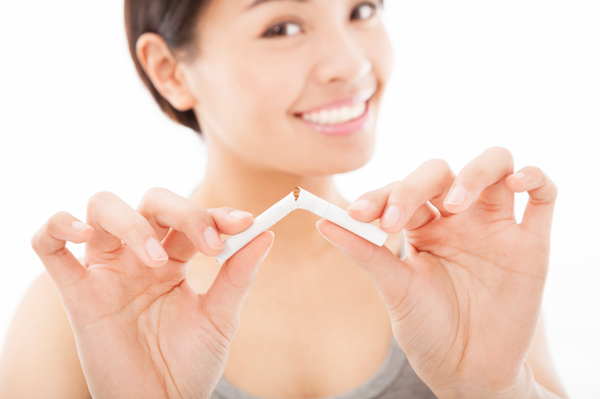 wallet. So, what comes next? If you are like so many people I see, you have tried numerous ways in the past, just to end up picking them (cigarettes) back up again. I have heard tales of people spending days at a smoke cessation seminar, only to buy a pack on their way home again.


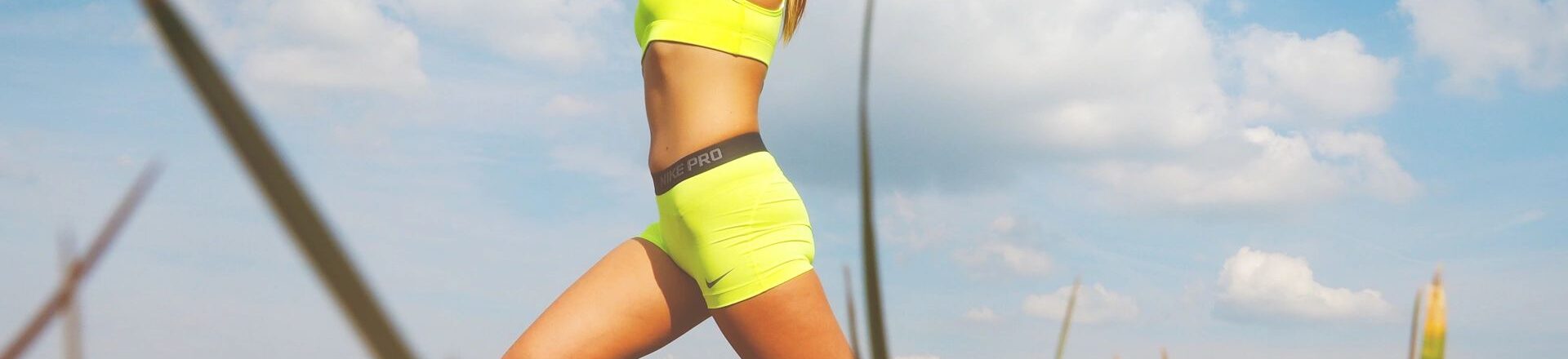
 If you are like many people I encounter, your intentions for making a change in your weight since the first of the year have fallen by the wayside. We start out with New Year’s Resolutions and great intentions. Then life gets messy (or busy) and we slip back into old habits. The days slipped by and now it is spring and you are still carrying that excess weight around. Before you know it, summer will be her