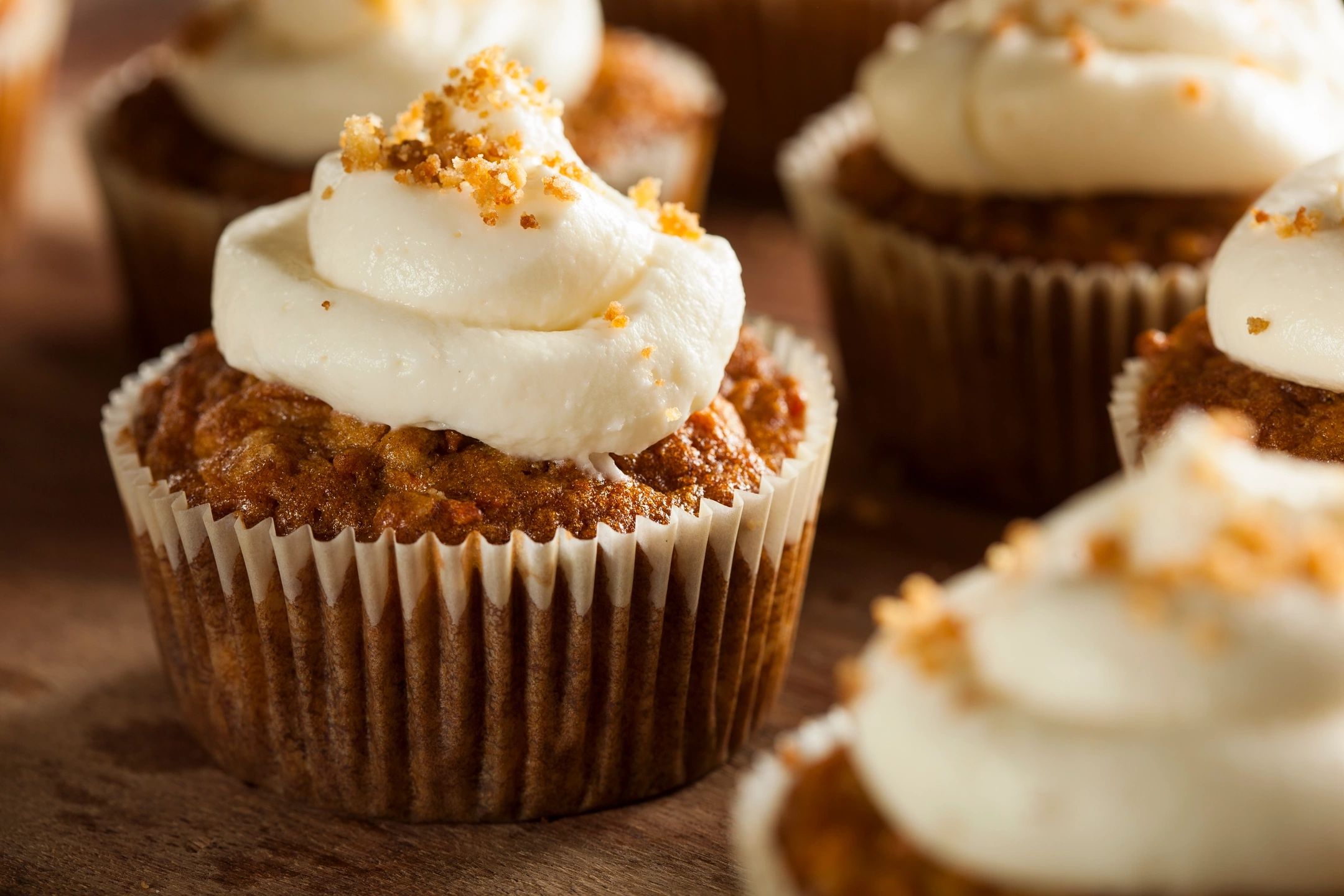
 Do you find that you count calories all day long, behaving really well and then the evening sets in and the snacking/binging becomes out of control? Late night snacking has long been rumored to cause weight gain. In actuality, the notion that nighttime eating is more fattening than daytime eating or that our metabolism slows down at night isn’t based on recent scientific findings. Research says that it isn’t eating late that is the problem. A calorie is a calorie regardless of when it is consumed, the problem is that the total number of calories consumed and the amount of activity one has throughout the day.
If you have been “good” all day long, ask yourself what that means. Unfortunately for many people it means they skipped meals or eaten sparingly during the day. These people are trying to save up calories knowing they are nighttime snackers. That is a recipe for disaster. Depriving ourselves of food leaves us hungry, keeping food in our awareness more than those who eat to satisfaction throughout the day.
Furthermore, people eat at night for a variety of reasons that may have very little to do with hunger. Satisfying cravings, coping with boredom, stress or fatigue are contributors to night time binging. Often, after-dinner snacks consist of large portions of high-calorie foods (like chips, cookies, candy) and are eaten while sitting in front of the television or computer. This creates a lack of control and it becomes all too easy to consume the entire bag, carton, or container without thinking about it. Besides those unnecessary extra calories, eating too close to bedtime can cause indigestion and sleeping problems.
Lack of sleep disrupts appetite hormone levels which help regulate satiety and tell your brain you are full. Particularly true in the evening, this could be why people crave snacks after dinner. In addition, research found that sleep-deprived people with late bedtimes ate significantly more total overall calories and ate more late at night than well-rested people.
Ask yourself, ‘Why?’ What’s eating away at you, causing you to eat? Overeating at night may be depression or simply a deeply ingrained habit fueled by less serious but still insidious feelings like frustrations over the day, loneliness, anxiousness, or boredom. If you desire to reward yourself at night, particularly after a difficult day, reward yourself with non-food pleasures. Prepare a list you can turn to. It might include shopping, listening to music, taking a soothing bubble bath, getting a massage, going to the movies, going out dancing, playing a sport, or spending time with a friend.
Regardless of the reasons for your night time binges, you want to stop. You are done with the self-sabotage as you are trying to shed weight or simply maintain the weight you are at currently. Hypnosis can help with these issues. Whether your reason is emotional, habitual, sleep deprivation (or any combination) through hypnosis the cause(s) can be found. Then changes are made to assist you in stopping the late night snacking and binging.
Ninetips to help stop late night snacking:
- Make bedtime a priority and get at least seven to eight hours of sleep a night
- If hungry, eat a small, healthy snack in the evening to avoid binge eating.
- While watching TV, shoot nerf ball hoops, floss your teeth, take up knitting, or write notes to friends. Use hand weights during commercial breaks, stretch on the floor, walk on a treadmill, or ride a stationary bike.
- Create a future mind-set. Imagine yourself with your eyes closed looking and feeling the way you will once your weight goal is achieved.
- Keep a “food and mood” diary
- Structured eating and sleeping times will help you spread your food intake over the day so that you’re less hungry at night. Having a routine for meal and sleep times can help you break unhealthy cycles of behavior. This can help if you have no appetite during the day or tend to binge at night.
- If you eat due to hunger, include protein and a good quality fat at every meal may help curb your hunger. Protein will keep you fuller longer. (Good fats are nuts and seeds, avocados, coconut and olive oil)
- Don’t drink your calories: Sugary, liquid calories in the form of sodas, juices, lattes, sports drink for example, will spike your insulin and blood sugar causing cravings.
- Drink a warm beverage such as an herbal tea.




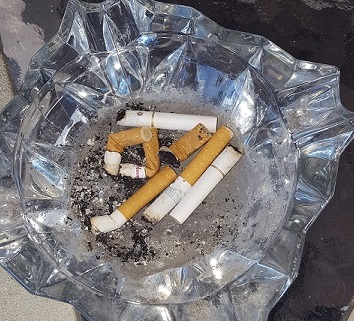 So many times when I answer the phone, the caller on the other end (often a smoker) doesn’t wait for me to say much of anything as they dive into, “I need to make an appointment for smoke cessation, but first I have a few questions. How does hypnosis work, what is your success rate for smoke cessation and what if I can’t be hypnotized?” I have to take a breath and begin with one question at a time.


 “I wish that I could be like the cool kids,” is the hook for the hit song by
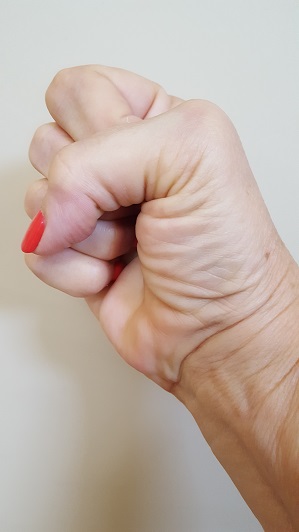 Make a fist. Make a very tight fist and hold it while reading this. Into that fist you can place whatever is bothering you today. Place rude or angry remarks, heavy traffic causing you to be late for an appointment or work, jealousy or whatever it is that has been robbing you of your focus today. As you place those things into your fist,imagine the emotions you felt when they initially occurred as if it was happening now. Amplify the feelings to the level that you have been carrying them around with you. Count to 5 and tighten the fist with each number.

 May is Revise Your Work Schedule Month, National Mental Health MonthandNational Meditation Month.That seems telling; people are tired, over-worked, and stressed! The boss gives another assignment and there goes your evening. Maybe you are the boss and it is a demanding client that prevails upon your time. Perhaps it is the kids hectic after school activity schedule that keeps you running It is easy to forget to take care of ourselves.